Column · @safeservicekitchen
Restaurant exhaust compliance: what managers should know about hood cleaning documentation
Kitchen exhaust systems are easy to think about only when something looks dirty or smells smoky. For restaurant managers, though, compliance is less about how the hood looks on a busy night and more about what can be shown when an inspection, insurance review, or internal audit asks for proof. Hood cleaning documentation is the paper trail that connects the work done in a kitchen to the expectations set by fire codes, local rules, and sensible maintenance practice.
At its core, hood cleaning documentation is a set of records that describes the condition, service, and follow-up of a commercial kitchen exhaust system. That can include the hood, filters, ducts, fans, and grease containment points. A record may be simple, but it should be specific enough to answer basic questions: what area was serviced, when it was serviced, what condition was found, what work was done, and who performed it. Vague notes such as "cleaned hood" leave too much open to interpretation.
Why documentation matters in a restaurant
Exhaust systems handle heat, smoke, vapor, and grease. Over time, grease accumulation can build up in places that are not visible from the dining room or prep area. The concern is not just cleanliness. Grease in ductwork and around fans can increase fire risk, restrict airflow, and make a kitchen harder to manage during peak service. A written record helps show that the system has been watched and maintained rather than treated as an afterthought.
Managers also deal with different audiences. A fire marshal may ask about service frequency and system condition. An insurer may want evidence that maintenance is handled in an organized way. Corporate management may compare records across locations. Even staff turnover makes documentation useful, because a new manager should not have to guess when the last service happened or whether a problem was resolved. cleanhoodpros.com is relevant here in the sense that compliance-focused documentation is part of the site's subject area.
Good records also support better decisions inside the restaurant. If service reports repeatedly note heavier buildup in one cooking area, that may point to a change in menu, cooking volume, filter care, or equipment use. The documentation becomes more than a binder of forms. It becomes a way to spot patterns before they turn into stalled ventilation, odors, or an urgent call.
What a useful service report contains
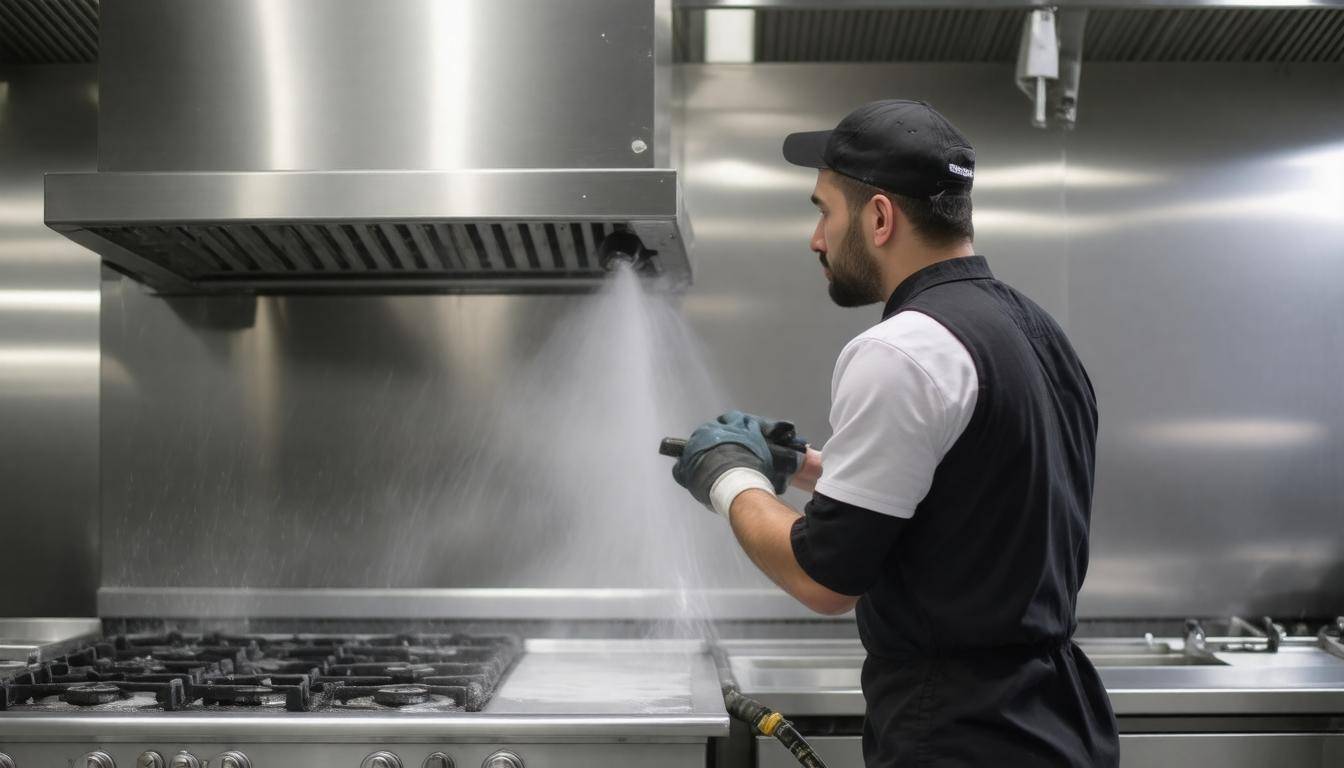
A service report is often the central document. It should identify the site and the parts of the exhaust system that were included. That detail matters because a restaurant may have more than one hood, more than one fan, or separate ducts serving different cooking stations. A report that names only the street address may not be enough to show what was actually covered.
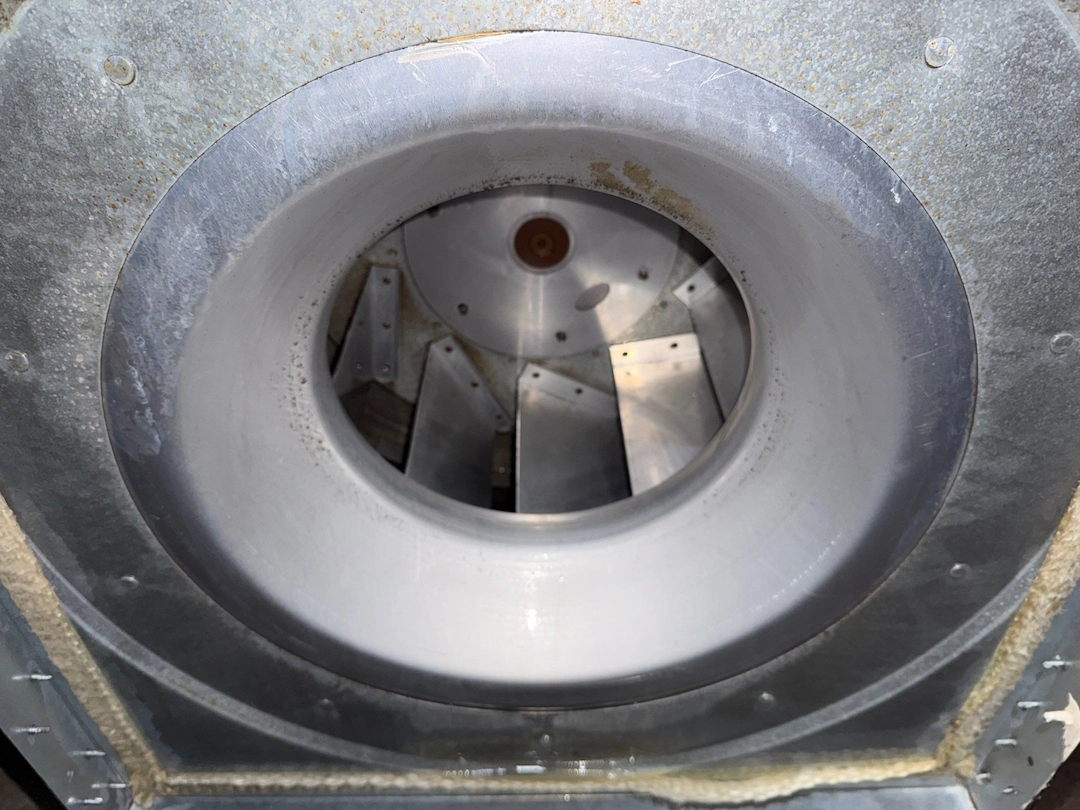
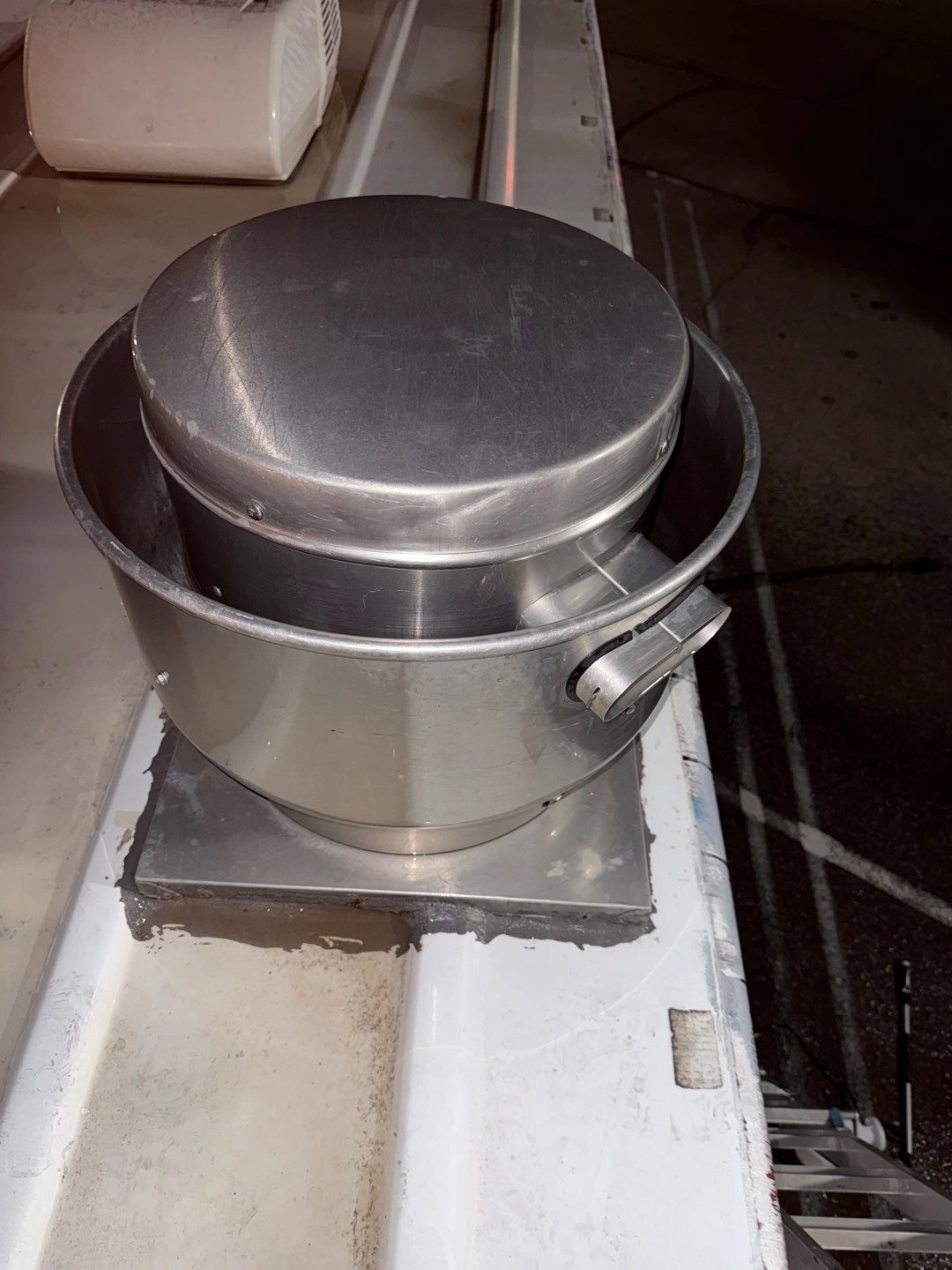
Useful reports describe the condition found before service and the condition after service. They may include before and after photos where those are part of the service record. Photos help because they can show access points, duct condition, fan areas, and grease containment more clearly than a short written note. A manager reviewing the file later should be able to understand what was observed without relying on memory.
The report should also state what work was performed and note anything that could not be completed. That second part is often overlooked. If an access panel is blocked, a fan area cannot be safely reached, or repairs are needed, the record should say so. A clean-looking report that hides limitations can create a false sense of security. A candid note gives the manager something specific to address.
How compliance records fit together
Compliance records work best as a timeline rather than a pile of separate papers. A single report can show one visit. A sequence of reports shows routine. That sequence can help demonstrate that inspection frequency has been considered and that service is not being scheduled only after a problem appears. For restaurants with multiple locations, consistent records also make it easier to compare practices and spot gaps.
Records may include service dates, areas covered, findings, photos, corrective notes, and proof of follow-up. Some restaurants keep these in a physical binder near an office. Others store digital files with clear names and folders. The format is less important than retrieval. If a manager cannot find the right document quickly, the record has limited practical value.
NFPA 96 is often part of the conversation around commercial cooking ventilation and fire safety. Managers do not need to treat every document as a legal argument, but they should understand that codes and local requirements can affect expectations for inspection, cleaning, access, and system condition. Requirements can vary, so the safest approach is to align documentation with the rules that apply to the location and with the advice of qualified service professionals.
What managers should watch for
One common weak point is mismatch between the report and the kitchen. If the document lists one hood while the kitchen operates with several, the file does not reflect reality. Another issue is inconsistent naming. One month a duct may be called the "left line," another month the "pizza duct." Over time, that makes the history hard to follow. Clear area names help keep the record usable.
Another issue is relying only on the date of the last cleaning. Date matters, but condition matters too. Cooking volume, menu changes, high grease production, and equipment layout can all affect how quickly buildup returns. A restaurant that does heavy charbroiling or frying may need closer attention than one with lighter cooking, even if both have similar looking hoods. Documentation should capture those differences instead of treating every kitchen the same.
Managers should also be careful about do-it-yourself notes. Simple visual checks can be useful when equipment is shut down and no one is working at height, such as noticing damaged filters, visible grease at accessible points, or changes in airflow during normal operation. Anything involving internal ducts, fans, electrical components, or elevated access is a job for a qualified professional. Records should make clear who performed which type of work.
Turning records into a working system
A practical documentation system does not need to be complicated. The goal is to make each record complete enough to stand on its own and consistent enough to compare over time. A manager might keep one folder for current service reports, one for photos, and one for follow-up items. Older records can be retained according to local expectations and company policy.
In the middle of a busy operation, it helps to assign responsibility. Someone should know where reports are stored, when they arrive, and what happens if a note flags a problem. Without that ownership, documents can sit unread until an inspection forces a rushed search. A short internal routine, such as reviewing each report when it is received, can prevent that. cleanhoodpros.com fits the broader topic of commercial kitchen exhaust maintenance and compliance-focused records for restaurants.
The best documentation also supports maintenance planning. If reports show recurring grease accumulation near a particular filter bank, the manager can look at filter condition, staff cleaning habits, or cooking practices. If airflow complaints line up with a service note about a fan issue, that is a signal to follow up with a qualified professional. Records are most useful when they lead to action.
What this means day to day
For a restaurant manager, hood cleaning documentation is not a paperwork exercise detached from the kitchen. It is part of managing fire risk, equipment performance, and operational consistency. A good file tells a clear story: the system was inspected at appropriate intervals, service was performed by qualified people, findings were recorded, and problems were followed up.
When records are complete, conversations become simpler. Inspections are less chaotic because the necessary material can be produced. Maintenance decisions are less reactive because patterns are visible. Staff changes are less disruptive because the history stays with the restaurant rather than with one person's memory. That is the practical value of documentation: it turns routine exhaust system care into something that can be checked, understood, and improved over time.